Expertises/Independent advisory/Smart glass

Smart Glass Advisoryindependentelectrochromic comparison.

Smart glass advisory demands an independent voice. Most available comparisons between electrochromic products (SageGlass, View, Halio, Kinestral and equivalents) come from the manufacturers themselves or from integrators with direct commercial interests. Our atelier operates as a technologically neutral advisor on smart glazing selection for developers, facility managers and design teams. We compare products on documented performance, total cost of ownership and project-fit criteria, without affiliation to any glazing manufacturer.

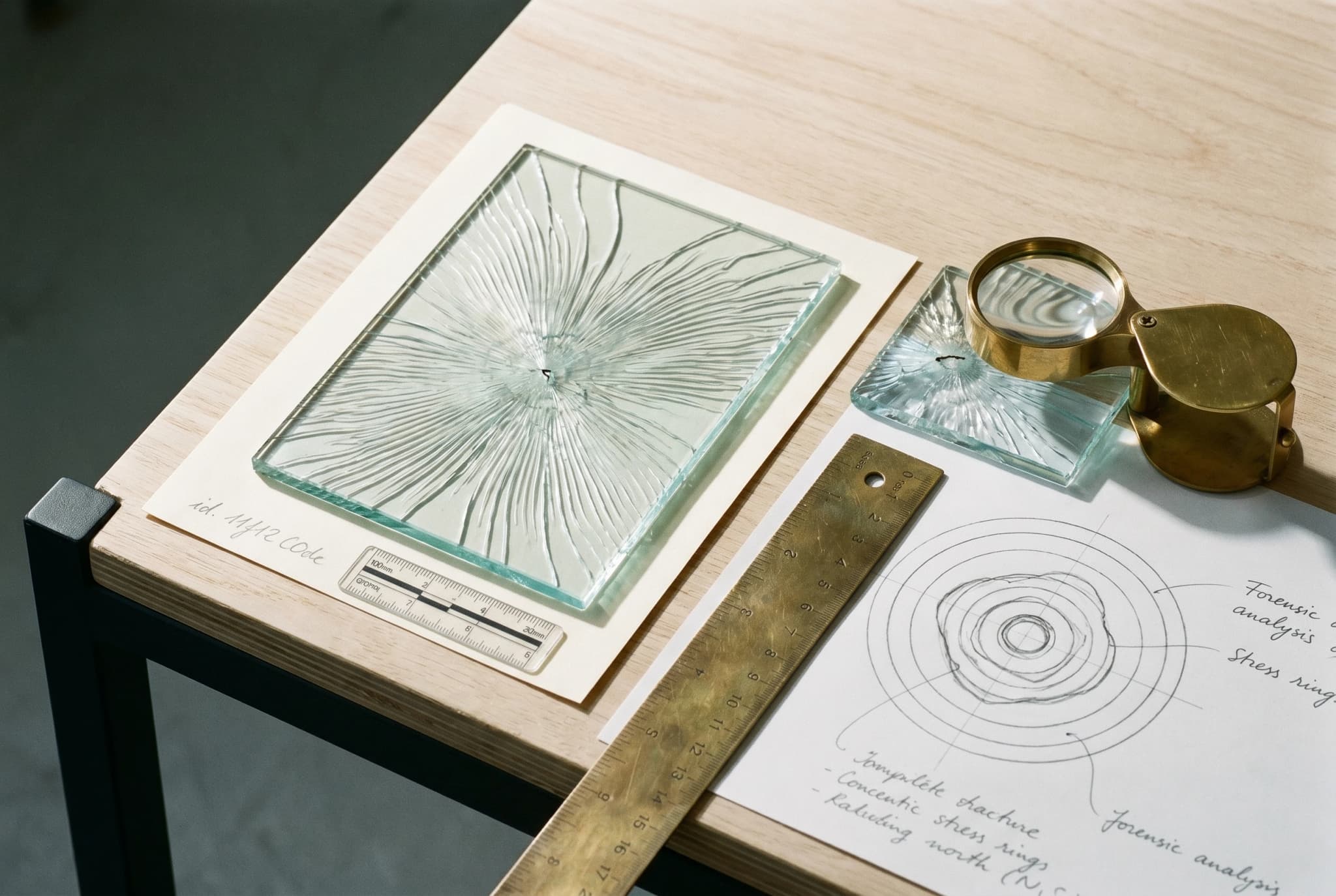
Smart glass advisory, electrochromic glazing comparison workstationPL.116 · Smart glass
01 / 01Electrochromic glazing comparison workstation.
© S&P · Sprint 3
01Plate 01 / 07, Landscape

The smart glass landscape.

The smart glass market in 2026 is dominated by a small number of industrial actors on the electrochromic segment, with distinct positioning, distinct technical profile, distinct industrial maturity.

01 / 04Saint-Gobain

SageGlass

Historical market leader in North America and Europe.

Mature supply chain, long warranty tracks, extensive reference portfolio. Technology : solid-state electrochromic on a tungsten-oxide base. Reference for cost benchmarking on most US tertiary projects.

Saint-GobainTungsten-oxide
02 / 04View Inc.

View

Early challenger on the North American market.

BMS-integrated dynamic glass positioning. Technology : solid-state electrochromic with tunable tint zones per pane. Differentiator on projects requiring zone-specific control rather than uniform pane tinting.

Tunable zonesBMS-integrated
03 / 04Kinestral / AGC

Halio

Rapid tinting response and neutral tint positioning.

Technology : hybrid electrochromic with accelerated switching. Halio (Kinestral Technologies / AGC) addresses the slow-switching critique of legacy electrochromic, with neutral tint across states for daylight-fidelity-sensitive projects.

Rapid switchingNeutral tint
04 / 04Emerging

Other emerging actors

Gentex, Glass Apps, Research Frontiers, European PDLC/thermochromic players.

Gentex (automotive-origin), Glass Apps, Research Frontiers (licensable SPD technology), and various European industrial players positioning around PDLC, thermochromic and hybrid solutions. Each carries distinct lead-time and industrial-maturity profile.

GentexSPDPDLC
Three profile dimensions

Each actor has a distinct technical profile (switching speed, tint neutrality, service life, power consumption), a distinct commercial profile (pricing, warranty, regional availability) and a distinct industrial maturity (production capacity, supply-chain resilience, corporate backing). The selection is therefore three-dimensional, not single-axis.

02Plate 02 / 07, Comparison

Electrochromic, SageGlass vs View vs Halio.

A meaningful comparison integrates six criteria. Our advisory produces a project-specific comparison grid documented across these criteria, with source references and manufacturer data normalised to a common format.

Six criteria for selection

1. Optical performance. Tint range (transmittance Tvis from clear to darkest state), neutrality of tint across states, colour rendering index (CRI) in tinted state, haze level in clear state. Documented performance under standard and real-world conditions. 2. Switching behaviour. Full switching time from clear to darkest state (varies seconds to dozens of minutes). Zone control : ability to tint different panes or different zones of a single pane independently. Response to control signal : BMS integration, user override, daylight sensor response. 3. Durability and warranty. Manufacturer warranty duration (typically 10 years), failure modes documented in warranty contract, track record of honoured claims. Accelerated-ageing test data, cycle count to degradation threshold. 4. Energy performance. Power consumption per square metre in normal operation and in transition. Impact on total building energy balance combining tinting power draw and avoided cooling load. ROI analysis per climate zone and building typology. 5. Aesthetic integration. Visual uniformity across a facade. Colour compatibility with non-smart-glass sections. Compatibility with laminated construction, triple-glazing IGU, low-E coatings. 6. Industrial availability. Lead time from order to delivery. Regional production footprint. Large-format availability (jumbo glazing compatibility).
03Plate 03 / 07, Alternatives

Thermochromic and PDLC alternatives.

Beyond electrochromic, two alternative technologies merit consideration on certain projects. The advisory covers the comparative fit between electrochromic, thermochromic and PDLC per project register : performance, budget, aesthetic and BMS integration requirements.

01 / 01Alternative 1, passive

Thermochromic glass.

Passive tint modulation driven by glass surface temperature.

No electrical control, no power consumption, no BMS integration. Best suited to projects where passive behaviour is preferred : patrimonial renovations, zones where wiring would be constraining, secondary glazed areas. Current market actors : RavenWindow, SuntuitiveGlass, and several emerging European players. Trade-off : the building cannot override the tint state on demand, which suits architectural intent but disadvantages occupant control.

Activation
Glass surface temperature
Override
Not possible (passive)
PassiveRavenWindowSuntuitiveGlass
02 / 02Alternative 2, instant

PDLC (Polymer Dispersed Liquid Crystal).

Switchable opaque-transparent glass. Instant switching.

Applications : on-demand privacy (boardrooms, medical consulting rooms, luxury retail VIP areas), integrated projection screens. Market actors : Smart Films International, LC Vision, and various integrators across Europe. PDLC does not modulate solar heat gain ; it controls privacy and visual access only. A common specification error is deploying PDLC for solar control ; we clarify this during the technology selection phase to avoid mismatched expectations.

Application
Privacy, projection
Limitation
No solar gain control
Instant switchSmart Films IntlLC Vision
04Plate 04 / 07, BMS

Integration with BMS.

Smart glass is rarely deployed in isolation. Its value emerges from integration with the Building Management System : daylight sensors driving tinting profiles, occupancy sensors driving zone behaviour, HVAC coordination for global energy optimisation, facility-manager override capabilities.

BMS integration scope

Our advisory covers the BMS integration architecture : choice of communication protocols (BACnet, KNX, Modbus, MQTT), cybersecurity of the IoT endpoints, BMS vendor coordination, commissioning procedures for the smart glass subsystem. Cybersecurity per IEC 62443 is scoped at design phase, not retrofitted. See Smart skin & electrochromic for the integrated facade-wide smart skin perspective.

05Plate 05 / 07, ROI

ROI and total cost.

The ROI analysis on smart glazing combines capex investment, opex savings and valuation uplift in a single project-specific spreadsheet that the client's financial team can audit and adapt.

Capex + opex + valuation

Capex investment : unit cost of smart glass versus high-performance standard glazing. Opex savings : avoided cooling load, reduced artificial lighting, avoided window-treatment costs. Valuation uplift : ESG alignment, tenant attractiveness on high-end tertiary assets, contribution to energy certifications. Typical payback on a well-specified electrochromic project falls between 8 and 12 years on a high-solar-gain facade of a tertiary office building, with variation by climate zone, electricity pricing and project tenure. Our advisory produces a project-specific ROI model with transparent assumptions, editable by the client's financial team. The model is the basis for the comité-d'investissement decision, not a marketing artefact.

06Plate 06 / 07, How we work

How we work as independent advisor.

Four principles structure our advisory practice : no manufacturer affiliation, documented criteria, systematic benchmarking, industrial grounding from 17 years on glass envelope works.

Industrial grounding, founder formula

Seventeen years in the envelope industry, including several years in pre-construction with a Tier-1 international contractor in glass envelope works.

The industrial grounding gives direct knowledge of how smart-glass manufacturers operate at production and project level : the reality behind their commercial propositions, the real lead times, the industrial risk on large orders. This is the layer that distinguishes a credible specification from a manufacturer brochure summary.

01 / 03Neutrality

No manufacturer affiliation

No commercial agreement, no referral commission, no partnership.

Our fees come exclusively from the client. Specifications are written to performance criteria, not brand names. This keeps competitive tension in the tender and prevents vendor lock-in for the building's operating lifetime.

Zero affiliationOpen arbitration
En savoir plus
02 / 03Documented

Documented criteria

Comparison grid the client can audit.

Source references, normalised performance data, transparent assumptions on ROI. Every recommendation is supported by a comparison grid traceable line by line to manufacturer data sheets and to project-specific assumptions.

AuditableSource references
03 / 03Benchmarking

Systematic benchmarking

No default to a favoured supplier on any project.

Benchmarking is conducted case by case against the project requirements and current market conditions. Two to four manufacturers systematically engaged on each project to benchmark pricing, lead time, customisation depth and warranty terms.

Case by case2-4 manufacturers
07Plate 07 / 07, Articulation

Continue reading.

Six canonical entries to articulate smart glass advisory with adjacent practices.

01 / 06Hub

SOTA expertises

Vertical specialties.

Hub
En savoir plus
02 / 06Smart skin

Smart Skin & electrochromic

Dynamic glass, BMS, BACnet/KNX.

BMS
En savoir plus
03 / 06BIPV

BIPV facade

Photovoltaic integration.

BIPV
En savoir plus
04 / 06EE

Envelope Engineering

Concept to punch list.

BET
En savoir plus
05 / 06OE

Owner's Engineer

Owner-side envelope mandate.

OE
En savoir plus
06 / 06Doctrine

Technological neutrality

No hidden commission, open arbitration.

Zero affiliation
En savoir plus

A smart glass selection to instruct?

A tertiary office project specifying smart glazing, a portfolio evaluation for facility-management rollout, or a comparative analysis between SageGlass, View, Halio and alternatives. Describe the project and the performance criteria that matter. We come back with a project-specific comparison grid.

Smart glass brief
Shili & PartnersA Shili Build Ventures company