Plate 42 / 106
Solutions · ArchitectsÉdition 2026FR · EN
Nyon · Paris
Solutions/Signature architects/Design peer

Solutions forArchitects.

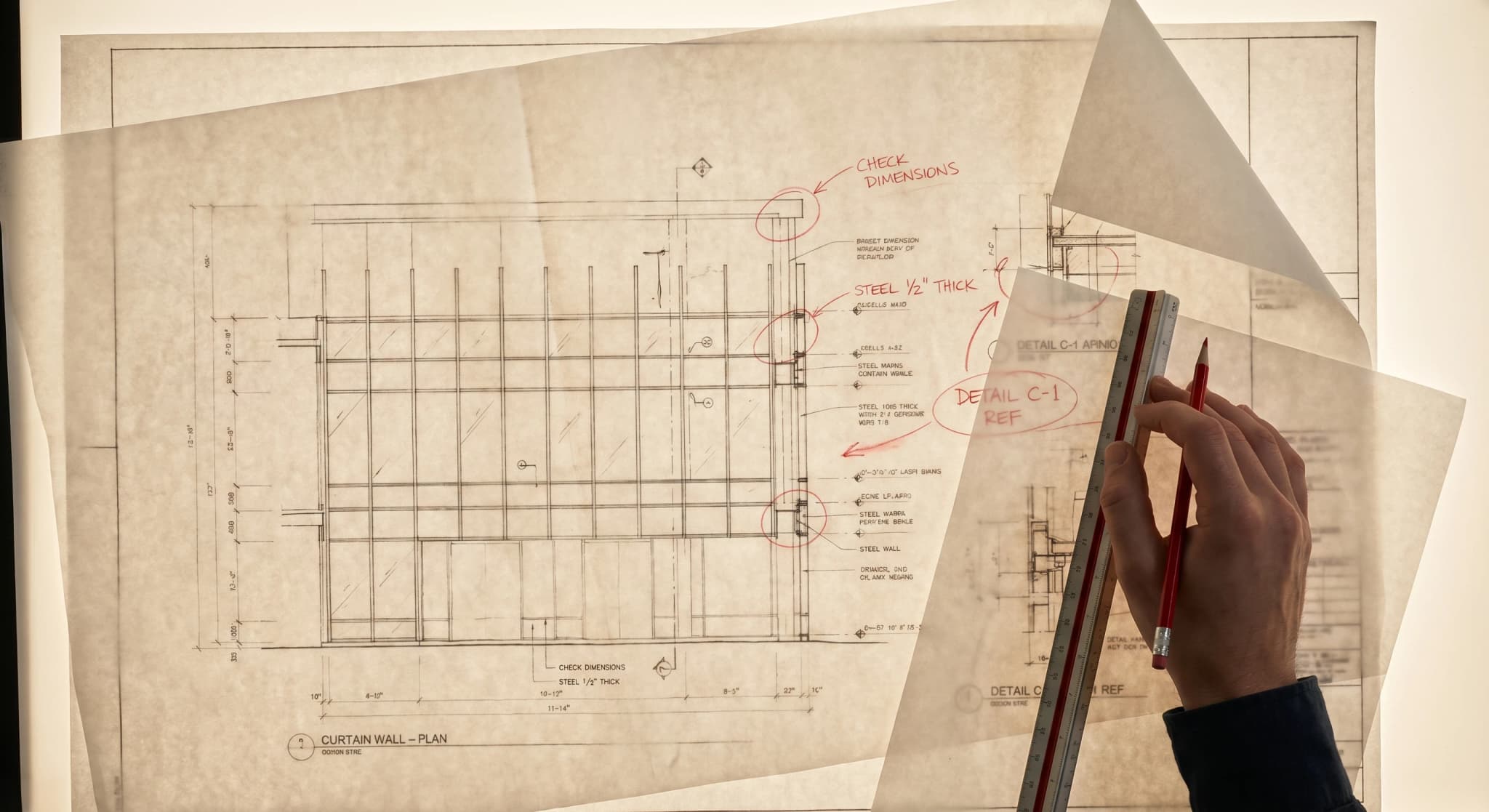
The architect of a complex project expects more from a facade engineer than a calculation provider. They expect a design peer, someone who answers « yes, and here is how » when technical constraints arrive, rather than « no, not feasible » when the architectural intent becomes demanding.

Shili & Partners operates as design integrity partner for signature and high-end architecture practices, from competition to execution. Our practice is computational by nature, native 3D modelling, algorithmic spatial simulation, parametric geometry generation, and it is anchored in a Tier-1 industrial grounding in glass envelope works. Together, those two capacities allow us to rationalise without impoverishing, to price at real industrial cost, and to prepare a file that holds all the way to fabrication. Our stance does not change : we protect the project. We never step in front of the architect.

FIG. 03design integrity · 4 phasesCOMPETITIONSD · DDTENDEREXECUTION§ Methoddesign integrity§ Practicecomputational designintent holdsend to end
Facade consultant partnering with signature architecture practices, computational design and Tier-1 glass anchoringEN.042
01 / 06Design peer, design integrity by method, computational design alongside architectural design.
Atelier Shili & Partners
04phases
competition · SD · DD · execution
17years
envelope · pre-construction Tier-1 glass
3Dnative
parametric modelling · file-to-factory
00in front
never in front of the architect
§ TLDR · 01Design integrity · not VE.
§ TLDR · 02Concept · industrial reality.
§ TLDR · 03Energy · with, not against.
§ TLDR · 04Competition · flash framing.
01· Plate — four architect challenges

Your challenges.

Four challenges recur in most of our conversations with architecture practices carrying ambitious projects. They are linked, the same meta-problem (the difficulty of holding design intent through to handover) unfolds on four planes.

01Design destroyed
by VE

Design destroyed by value engineering.

Late VE : reveals thicken, typologies regress, signature material replaced. The design integrity method is the response.

Late-stage value engineering, driven at forced pace at the end of tender or at the start of execution, is the dominant driver of architectural value destruction on complex projects. Reveals thicken, typologies regress, custom details are replaced by catalogue systems, the signature material disappears in favour of a lower-grade substitute. The architect looks at what was delivered and no longer recognises the project.

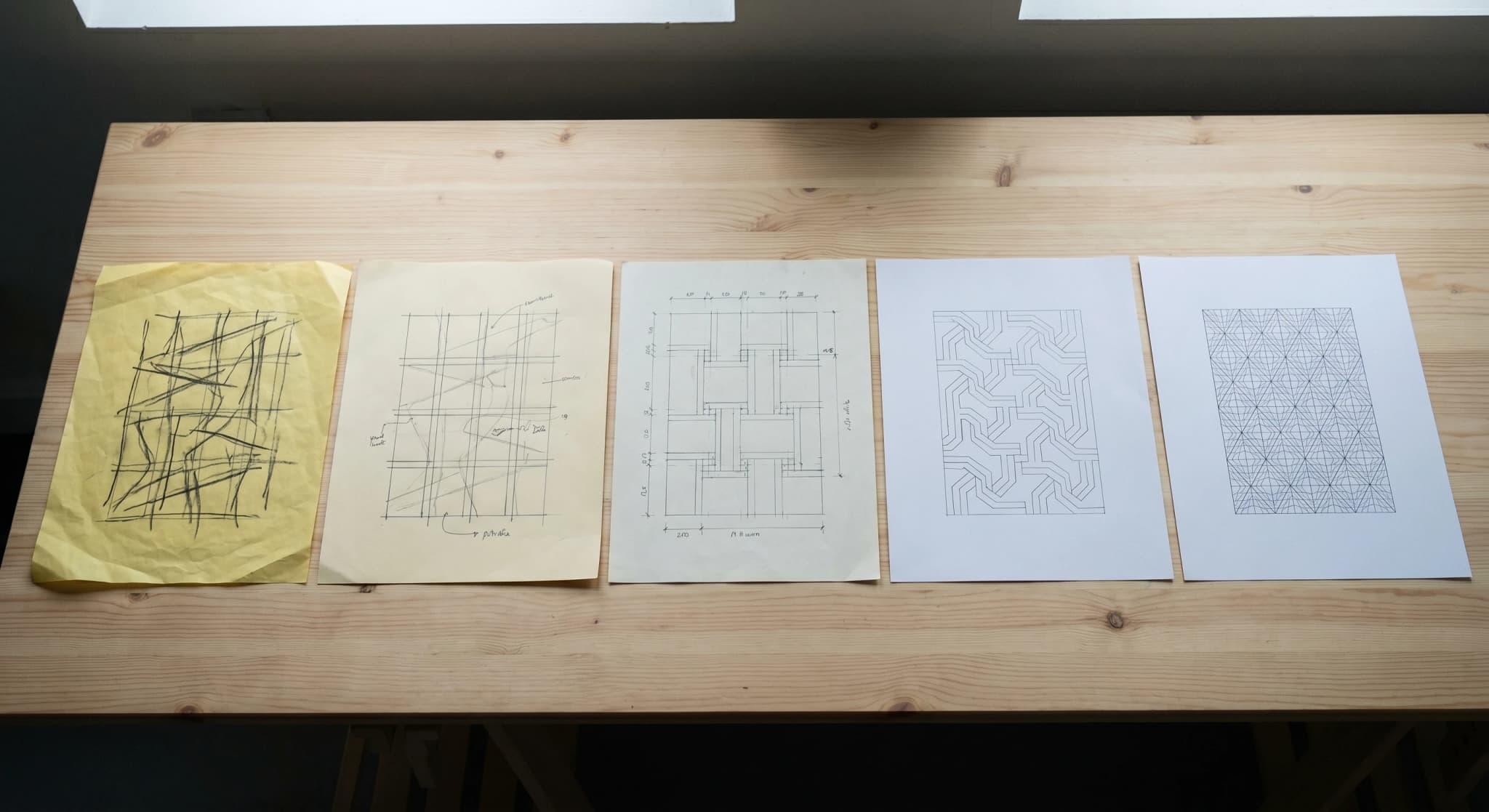
Our design integrity method is the response. It consists in arbitrating constraints simultaneously, structural, thermal, economic, regulatory, from the very first sketch phase, to push each constraint to its productive limit rather than to its default compromise. We price custom work at its real industrial cost so that it can be defended. We rationalise geometry through algorithms rather than through coarse panelisation. See [Design integrity](/en/envelope-engineering/design-integrity/).
Critical phase
End-tender → start-execution
Method
Simultaneous, not sequential arbitration
Design integrityRevealsCustomAlgorithms
02Concept to
reality

Translating concept into industrial reality.

Parametric modelling, fabrication constraints, installation tolerances, European factory logic, simultaneously.

Between the 3D rendering of a concept and the industrial reality of the envelope, there is a gap that few engineering firms know how to cross without diminishing the intent. It demands simultaneous mastery of parametric modelling, fabrication constraints (glass processing, aluminium extrusion, steel and stainless steel framing, glulam and CLT timber framing, architectural UHPC, pultruded GFRP profiles, mechanical assembly), installation tolerances, and the industrial logic of European factories.

Our computational practice is native, we work directly in 3D, generate geometries algorithmically, and prepare data for file-to-factory injection. Engineering does not intervene after the concept to constrain it, it works in parallel, to open what the supply chains can actually produce. This approach protects double curvatures, asymmetric skins, mega-scale compositions, which are often the signature DNA of the project.

Mastered chains
Glass · Aluminium · Steel · Stainless · Timber · UHPC · GFRP · Mechanical
Approach
Engineering in parallel, not after
ParametricFile-to-factoryDouble curvaturesMega-scale
03Energy vs
architectural writing

Energy constraints vs architectural writing.

Minergie, SIA 380/1, CECB, MoPEC, RE2020, décret tertiaire. Performance won with the architect, not against.

Energy frameworks (Minergie, SIA 380/1, CECB, MoPEC, RE2020, décret tertiaire) impose thermal, air-tightness and carbon performances that may seem to limit architectural choices. The classic pitfall : insulation thicknesses that transform the mullions, sunshades added late that break the composition, glazed surfaces reduced to meet the requirements.

We handle those constraints upstream, by mobilising the right verticals, electrochromic or selective glazing to reconcile transparency and solar factor, BIPV to generate energy and soften the insulation demand, integrated thermal breaks aligned with the architectural signature. See our [Expertises pole](/en/expertises/). Performance is not won against the writing, it is won with the architect who holds it.

Frames
Minergie · SIA · CECB · RE2020 · DEET
SOTA verticals
Electrochromic · BIPV · Thermal breaks
MinergieSIA 380/1ElectrochromicBIPV
04Competition without
engineering budget

Competition phase without engineering budget.

Fast and reliable advice, calendar in weeks, no dedicated budget. Flash framing structured so the submission holds.

In competition phases, the architect needs fast and reliable facade advice to validate feasibility and to price scenarios, but the dedicated budget typically does not exist, and the calendar is measured in weeks before submission. Standard facade engineering firms are not structured to operate at that cadence.

We offer a competition framing that covers the industrial feasibility of the envisaged intents, the economic order of magnitude, the applicable cantonal or national regulatory constraints, and the SOTA verticals to mobilise. The conditions (scope, deliverable, commercial frame, sometimes without fees on projects where the atelier commits to the execution mandate) are discussed on a case-by-case basis. The rule is stable : a good competition submission is prepared upstream, not in the final week.

Format
Synthesis note defensible at jury
Frame
Discussed at kick-off, sometimes no fee
Competition framingFeasibilitySOTA verticals
02· Plate — three levels of contribution

What we bring.

Our contribution to a signature architecture practice is articulated on three levels. This triple capacity distinguishes our practice from a standard facade engineering firm.

01 / 03Design integrity

Design integrity by method.

Formalised practice of protecting architectural intent across all phases.

Competition, SD, DD, tender, execution. Each arbitration is documented, alternatives are priced, compromises are negotiated rather than endured.

DocumentedPhasesArbitrations
See Design integrity
02 / 03Integrated engineering

Integrated technical engineering.

Structure, thermal, hygrothermal, acoustic, water tightness, fire behaviour, treated simultaneously.

Native computational engine for free-form geometries. Inter-disciplinary collisions are resolved at design stage rather than at execution.

StructureThermalComputational
See Technical engineering
03 / 03SOTA specialties

SOTA specialties on demand.

Structural glass, jumbo glazing, smart skin, BIPV, blast engineering, anti-intrusion, textile membranes.

Mobilised from sketch phase. Anchored in Tier-1 industrial grounding in glass envelope works that allows pricing on realistic bases.

Structural glassSmart skinMembranes
See SOTA Expertises
Computational practice and design integrity method working alongside a signature architectEN.042 · 02
02 / 06Design integrity method and computational practice, in parallel with architectural design.
Atelier Shili & Partners
03· Plate — preferred engagement modes

Preferred engagement modes.

Two engagement modes cover the majority of collaborations with architecture practices. The choice depends on the project phase and on the contractual configuration of the design team.

§ Mode 01 · dominant
Lead Envelope Consultant
Mandating architect integrates Shili & Partners as Lead Envelope Consultant.
  • From schematic design through handover
  • Under design team direction, BET coordination
  • Strict respect for the architect's role
  • Arbitrations bubble up as priced options
§ Mode 02 · competition
Flash diagnostic for competitions
Concentrated technical framing for competitive phases.
  • Industrial feasibility of intents
  • Economic order of magnitude
  • SOTA verticals to mobilise
  • Synthesis note defensible at jury
Video · AIA Chicago04:32
What Architects Should Know When Designing Glass Facades
00:00 / 04:32
What Architects Should Know When Designing Glass Facades

Institutional presentation by the American Institute of Architects on architect ↔ facade engineer collaboration in glass envelope design. AIA Chicago / American Institute of Architects · 2024

STANCE

Design peer. Not in front.

On a mission with a signature architecture practice, our interest is aligned with the project, not with a downstream supplier. No affiliation with a contractor, system supplier or fabricator, see Trusted third-party DNA.

04· Plate — sector ambassadors

Sector ambassadors.

Signature architecture practices talk to each other. A well-run project with one of them becomes known among the others, and naturally opens new collaborations. Conversely, a poor project becomes known just as fast, and closes as many doors.

§ 01How this structures our operation.

This reality structures how we operate. The atelier protects the work of the architects who engage us, discretion on execution, self-effacement in public communication (our references are mentioned only with explicit consent), absolute respect for the design team leadership, humility on difficult arbitrations. Signature practices recognise a partner who behaves this way, and recommend accordingly.

§ 02Implicit references, accumulated without noise.

Our implicit references in the architect community, mega-projects in Europe, the Middle East, North America, are documented and presented in meetings to qualify the practice. They do not figure publicly, out of respect for the confidentiality owed to architects and owners. It is also an asset : they verify through the right channels, and they accumulate without noise.

§ Reputation equation
A good project opens several doors. A poor one closes as many. The atelier operates in the background, the architect remains the signature voice.
05· Plate — what sets us apart

What sets us apart.

Three elements distinguish our practice from a generalist engineering consultancy or a technical calculation provider. None is negotiable.

01 / 03Dual cultural anchoring

A dual cultural anchoring.

Seventeen years in the envelope industry, including several years in pre-construction with a Tier-1 international contractor in glass envelope works.

Combined with a computational design practice native to parametric modelling and file-to-factory. The industrial reality check and the computational fluency together are what allow us to answer « yes, and here is how ».

17 yearsTier-1 glassDFMA
02 / 03Trusted third party

Trusted third-party posture.

No affiliation with a contractor, a system supplier or a fabricator.

On a mission with a signature architecture practice, our interest is aligned with the project, not with a downstream supplier.

No affiliationAligned project
See trusted third party
03 / 03Culture of discretion

Culture of discretion.

The atelier operates in the background. The architect remains the signature voice.

References accumulate without noise, and they compound. Public mention only with explicit consent.

BackgroundSignature voiceExplicit consent
06· Plate — articulation with other services

Articulation with other services.

An engagement with a signature architecture practice typically touches several of our services beyond the two engagement modes described above.

§ 01Envelope Engineering pole.

Envelope Engineering pole. The scope of the Lead Envelope Consultant mandates on the design team side.

§ 02Expertises pole.

Expertises pole. Vertical specialties that sign an architectural intent (smart skin, structural glass, BIPV, textile membranes).

§ 03Site direction.

Site direction. Site supervision that defends architectural intent through to punch-list release.

§ 04Systemic diagnostic.

Systemic diagnostic. Early read at competition or schematic design phase.

§ 05Design-Build Lead.

Design-Build Lead. Mandating consortium posture on signature mega-projects.

§ 06Claim management & arbitration.

Claim management & arbitration. Contract management and defence of intent against execution drift.

Let's talk about your project.

A project in competition, schematic design, design development, tender or execution? A SOTA vertical to integrate into an ambitious design? Describe the project in a few lines. We come back to you with a first technical read before any commercial proposal, the exchange is confidential and without commitment.

Describe the project
Shili & PartnersA Shili Build Ventures company